The Case
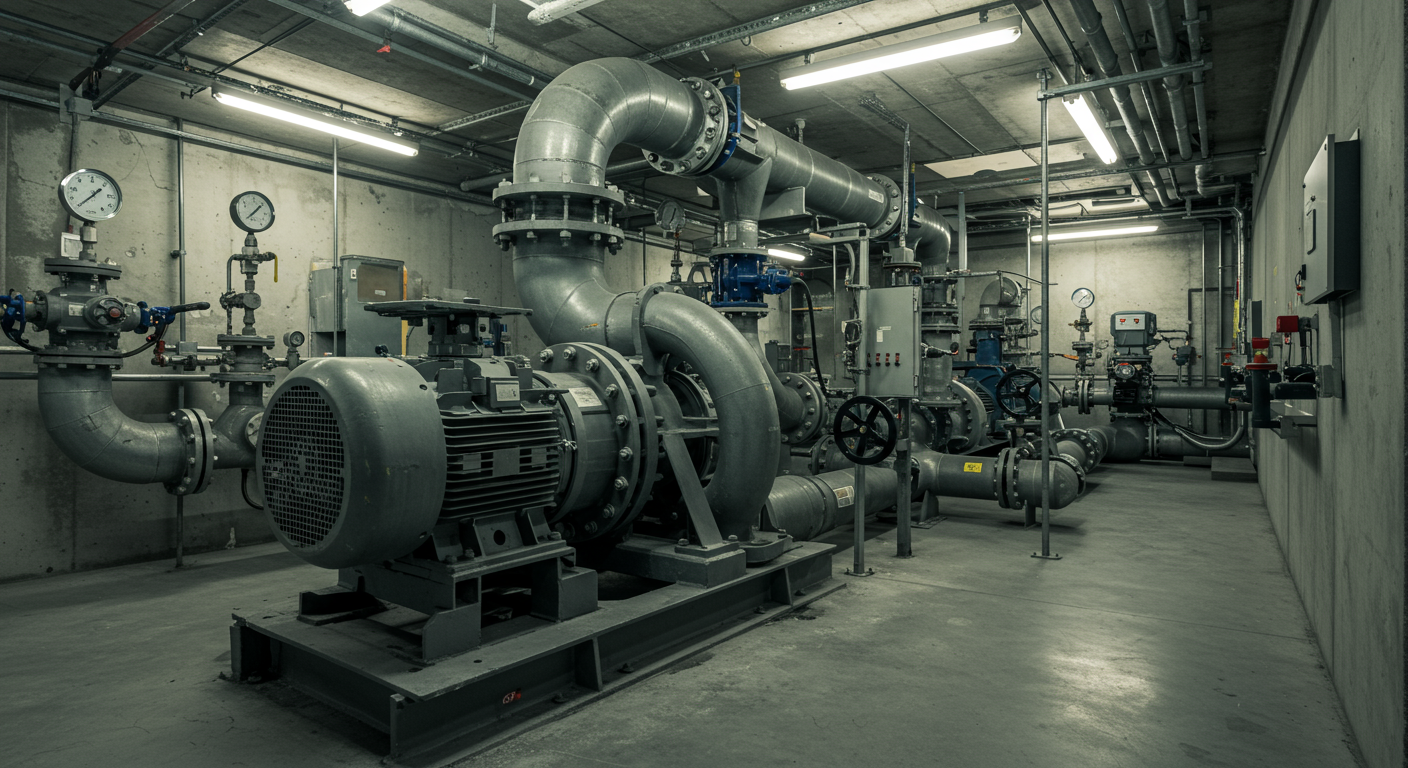
The City of Clearwater prides itself on reliability, but its aging infrastructure is starting to show its cracks. As the city's new Asset Manager, you, Alex Rios, have been tasked with modernizing how Clearwater manages its critical systems. Your attention is immediately drawn to the water distribution network, specifically Pump Station 7. This station is the workhorse for the city's burgeoning medical district, and its performance is non-negotiable.
For the past 40 years, the Public Works department, led by the pragmatic and deeply experienced Director, Frank Miller, has operated on a simple mantra: "If it ain't broke, don't fix it—and if it's old, replace it on schedule." Maintenance is either reactive (fixing failures as they happen) or calendar-based (replacing major components every 7-10 years, regardless of condition). This system has worked, more or less. But the maintenance logs for Station 7 are telling a different, more troubling story of increasing minor repairs and intermittent performance dips.
The issue came to a head last Tuesday. During a record-breaking heatwave, Station 7’s main pump experienced a severe vibration event, triggering a brief, automated shutdown. For fifteen critical minutes, water pressure to Clearwater General Hospital dropped precariously. Catastrophe was averted by a quick-thinking technician who manually overrode the system, but the incident sent a shockwave through City Hall.
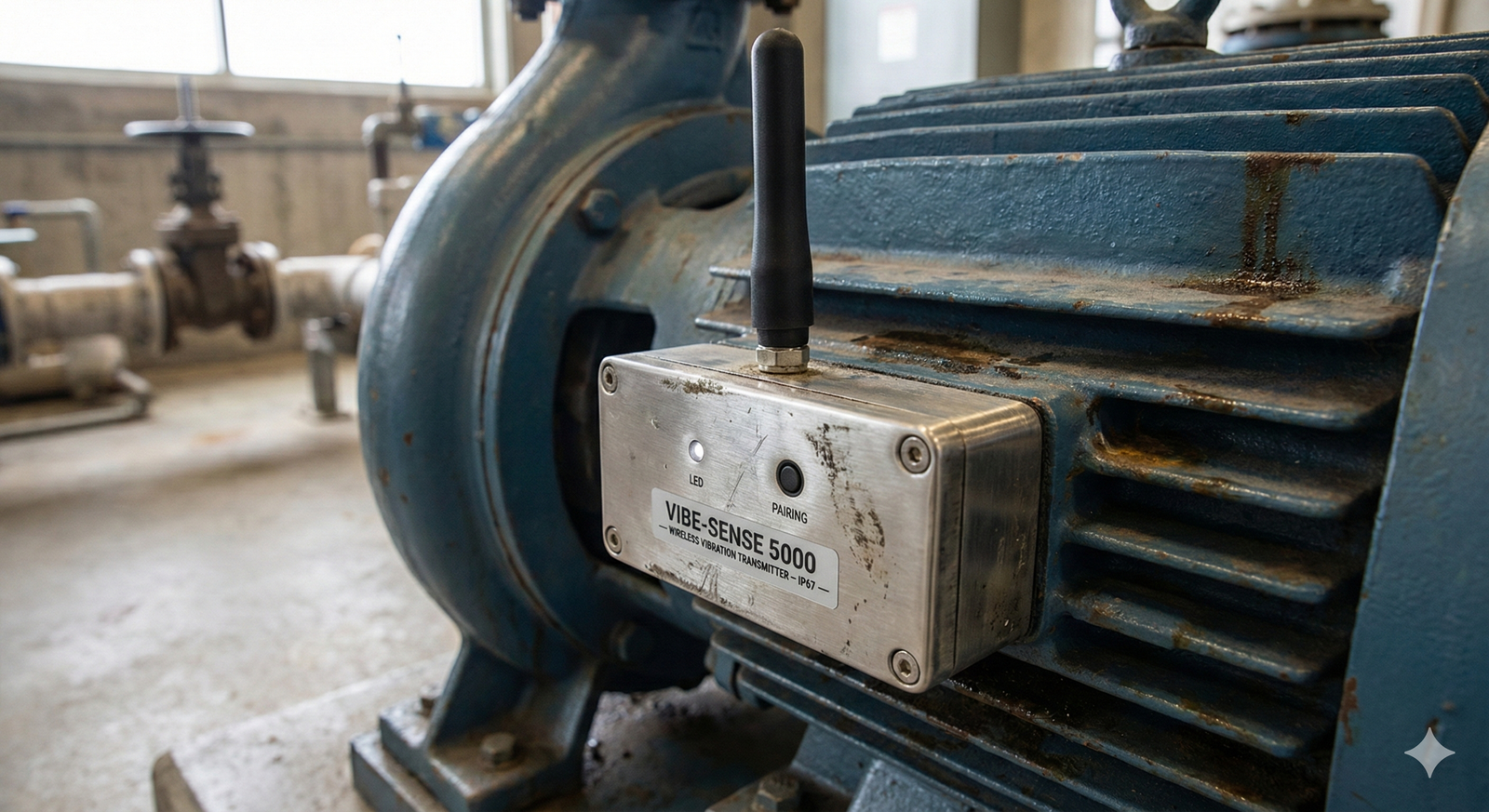
In response, the City Council has fast-tracked a modest budget for an "Infrastructure Modernization Pilot." This is your opening. You see a clear opportunity to introduce a predictive maintenance (PdM) program, using sensors and data analysis to anticipate failures before they happen. You believe this approach could save millions in the long run and dramatically increase reliability across all 12 of the city's pump stations.
Frank, however, sees it differently. He views your PdM proposal as an expensive, unproven "tech experiment." He has already submitted his own proposal for the pilot funds: a straightforward, full replacement of the primary pump at Station 7 with a top-of-the-line model. It's a safe, tangible, and easily understood solution. You now have one week to prepare a counter-proposal for the budget committee. You must convince them that investing in a new strategy, not just new hardware, is the only responsible path forward.
Resources and Data
You have gathered the following documents and data to build your case.
Key Document: Memo: Proposal for Station 7 Pilot Funds
Pump Maintenance and Failure Logs (36-Month History)
| Pump ID | Date | Action Taken | Technician Notes | Cost USD | Downtime Hours |
|---|---|---|---|---|---|
| Station 7 | 2024-11-02 | Bearing lubrication | Excessive vibration detected again. Bearing wear is accelerating. Recommend scheduling a full bearing replacement. | 120.0 | 2.0 |
| Station 9 | 2024-10-15 | Scheduled Preventive Maintenance | All systems operating within normal parameters. No issues found. | 200.0 | 2.0 |
| Station 7 | 2024-09-18 | Reset thermal overload | Motor running hot. Overload tripped during peak hours. Air vents cleaned. | 50.0 | 1.0 |
| Station 4 | 2024-09-05 | Routine System Check | Post-replacement check. New motor and assembly performing well. System is stable. | 150.0 | 2.0 |
| Station 7 | 2024-07-25 | Seal adjustment | Minor leak detected at main seal. Adjusted and monitored. Seal may need replacement soon. | 150.0 | 3.0 |
| Station 9 | 2024-04-12 | Annual Inspection | Passed all diagnostic tests. System is in excellent condition. | 250.0 | 3.0 |
| Station 7 | 2024-05-10 | Bearing lubrication | Pump operating louder than usual. Minor vibration detected. Lubrication applied. | 100.0 | 2.0 |
| Station 7 | 2024-02-22 | Filter cleaning | Debris buildup in the intake filter was higher than expected for the time period. | 80.0 | 1.5 |
| Station 7 | 2023-12-05 | Reset thermal overload | First instance of thermal trip recorded. Monitored for 1hr, stable after reset. | 50.0 | 1.0 |
| Station 9 | 2023-10-10 | Scheduled Preventive Maintenance | System nominal. All pressures and temperatures are well within spec. | 180.0 | 2.0 |
| Station 7 | 2023-06-15 | Annual Inspection | All systems pass, but technician noted early signs of bearing wear and slightly elevated motor temperature. | 300.0 | 4.0 |
| Station 4 | 2023-05-20 | Unplanned Motor Failure & Replacement | Catastrophic motor burnout. Traces of metal shavings found in oil. Full motor assembly replaced with new unit. Root cause determined to be a faulty winding. | 22500.0 | 72.0 |
| Station 9 | 2023-04-15 | Annual Inspection | Passed all tests. Clean bill of health. No issues to report. | 240.0 | 3.0 |
| Station 4 | 2022-11-15 | Annual Inspection | System looks good. All pressures and flows are within expected range. | 250.0 | 4.0 |
| Station 9 | 2022-10-11 | Scheduled Preventive Maintenance | Operating as expected. Routine check complete. | 175.0 | 2.0 |
| Station 7 | 2022-06-10 | Annual Inspection | All systems operating within normal parameters. No issues found. | 280.0 | 4.0 |
| Station 4 | 2022-02-10 | Routine System Check | Minor pressure fluctuations noted during peak demand, but within acceptable tolerance. Will monitor. | 150.0 | 2.0 |
📊 View Diagram: Comparison of Maintenance Strategies
Predictive Maintenance (PdM)
Your Task
You are Alex Rios, the Asset Manager for the City of Clearwater. Your task is to prepare a formal recommendation for the Infrastructure Modernization Committee. This recommendation must evaluate the suitability of a predictive maintenance strategy for the city's pump stations, using Station 7 as the pilot case.
Your analysis must directly address Frank Miller's proposal for a simple equipment replacement and build a compelling, evidence-based argument for why a PdM approach is the superior long-term solution for enhancing reliability and managing costs.
How to Structure Your Recommendation
A strong analysis moves from evidence to conclusion. Use this four-step process to build your argument:
- Define the Problem: What is the true, underlying problem the city faces? Is it just one aging pump, or something bigger?
- Identify Core Issues: Use the provided data and resources to pinpoint the specific risks and costs of the current maintenance strategy.
- Evaluate Options: Analyze the pros and cons of both Frank's proposal (replacement) and your proposal (PdM), considering factors like cost, risk, and long-term value.
- Recommend a Solution: State your final recommendation clearly and provide a compelling rationale, backed by the evidence you've analyzed.
Guiding Questions
Use these questions to focus your analysis of the situation.
- Based on the maintenance logs, what patterns or trends can you identify for Station 7 over the last 36 months? How does this compare to Station 9?
- What was the financial and operational impact of the "Unplanned Motor Failure" at Station 4? How could that event inform your recommendation for Station 7?
- Reviewing Frank's memo, what are his primary concerns about predictive maintenance? How can you address these specific concerns in your proposal?
- Using the workflow diagram, explain how the response to "minor vibration detected" would differ between the current strategy and the proposed PdM strategy.
- Calculate the total documented cost of reactive maintenance for Station 7 over the past 12 months from the data provided. How can you use this figure in your argument?
- Beyond cost, what are the non-financial risks of continuing with the current reactive maintenance strategy, especially for a critical asset like Station 7?
- Is a municipal water pump system a suitable candidate for a predictive maintenance strategy? Justify your answer based on the case materials.
- What is your final recommendation? What are the three most important points you would make to the budget committee to justify your choice?
An Expert Response
A Model for Success
This is one possible expert-level response. Your own analysis may have different strengths or focus on other valid points. Use this as a model to compare against your own thinking, not as the only 'correct' answer.
Recommendation to the Infrastructure Modernization Committee
Subject: A Strategic Investment in Reliability: A Predictive Maintenance Pilot for Pump Station 7
1. Problem Definition: The recent service disruption at Pump Station 7 is not an isolated incident but a symptom of a systemic issue: our city's reliance on an outdated and increasingly risky reactive maintenance strategy. The core problem is not a single aging pump, but an inability to anticipate and prevent failures in our critical infrastructure, exposing the city to unacceptable operational and financial risks.
2. Analysis of the Current Strategy: The maintenance logs clearly illustrate the shortcomings of our current approach. Station 7 has experienced a marked increase in reactive, unplanned maintenance events over the past year. While individually inexpensive, these events represent a clear pattern of degradation. This pattern mirrors the history of Station 4, which suffered a catastrophic and costly motor failure following a similar period of escalating minor issues. The Station 4 failure resulted in 72 hours of unplanned downtime and significant emergency repair costs, a scenario we cannot afford to repeat at the station servicing our medical district. Continuing this run-to-failure approach is a gamble where the stakes are public safety and service continuity.
3. Evaluation of Competing Proposals:
-
Proposal A: Full Equipment Replacement (Director Miller): This proposal is straightforward and mitigates the immediate risk at Station 7. However, it is a short-term fix that does not address the underlying strategic weakness. It resets the clock on a single asset but leaves the other 11 pump stations vulnerable to the same cycle of unpredictable failure. It is a capital expense that provides no new insight or capability to manage our network more intelligently.
-
Proposal B: Predictive Maintenance (PdM) Pilot: This proposal addresses the root cause. By instrumenting Station 7 with modern sensors, we shift from reacting to failures to preventing them. The PdM workflow allows us to detect subtle anomalies, like the increasing vibrations at Station 7, long before they become critical. This enables us to plan maintenance on our own terms, minimizing downtime and avoiding emergency costs. This pilot would not only secure Station 7 but also create a scalable model for reliability across the entire water distribution network. It addresses Director Miller's valid concerns by starting small, proving the ROI on a single asset, and allowing for phased training and implementation.
4. Recommendation and Justification: I strongly recommend the committee approve the Predictive Maintenance (PdM) Pilot for Station 7. While the upfront cost may be comparable to a full pump replacement, the long-term value is exponentially greater.
This is an investment in intelligence. It transforms our maintenance from a reactive cost center into a proactive, data-driven strategy. By proving the model at Station 7, we build a business case for a city-wide program that will ultimately reduce total cost of ownership, dramatically increase the reliability of our water service, and safeguard public health and safety. This is the definition of modernization.
Assess Yourself
Evaluate Your Analysis
Review your own (unwritten) response to the task. Use the following criteria to honestly assess its strengths and identify areas for improvement. How does your argument stack up?
- Problem Framing: Did you correctly identify the problem as a systemic issue with the maintenance strategy, rather than just a single faulty pump?
- Data-Driven Analysis: Did you use specific evidence from the maintenance logs (e.g., the pattern at Station 7, the failure at Station 4) to support your claims?
- Evaluation of Alternatives: Did you fairly analyze the pros and cons of both Frank's replacement proposal and the PdM pilot, avoiding a one-sided argument?
- Solution and Rationale: Is your final recommendation clear, decisive, and directly supported by a logical rationale built from the case evidence?
- Stakeholder Awareness: Did your argument anticipate and respectfully address the valid concerns of a skeptical stakeholder like Frank Miller?
- Risk and Value Assessment: Did you articulate the argument in terms of long-term risk mitigation and value creation for the city, not just immediate cost?
Learning Progress
By working through the Clearwater dilemma, you have just practiced a key competency in asset management. You've stepped into a realistic scenario and evaluated the suitability of a predictive maintenance strategy for a specific, critical asset type within its unique operational context, weighing it against a more traditional approach.
Next Steps
Excellent work analyzing the case and formulating a professional recommendation. You have successfully applied core principles of modern asset management. Please navigate back to the main course page to continue with your next activity.
