The Case
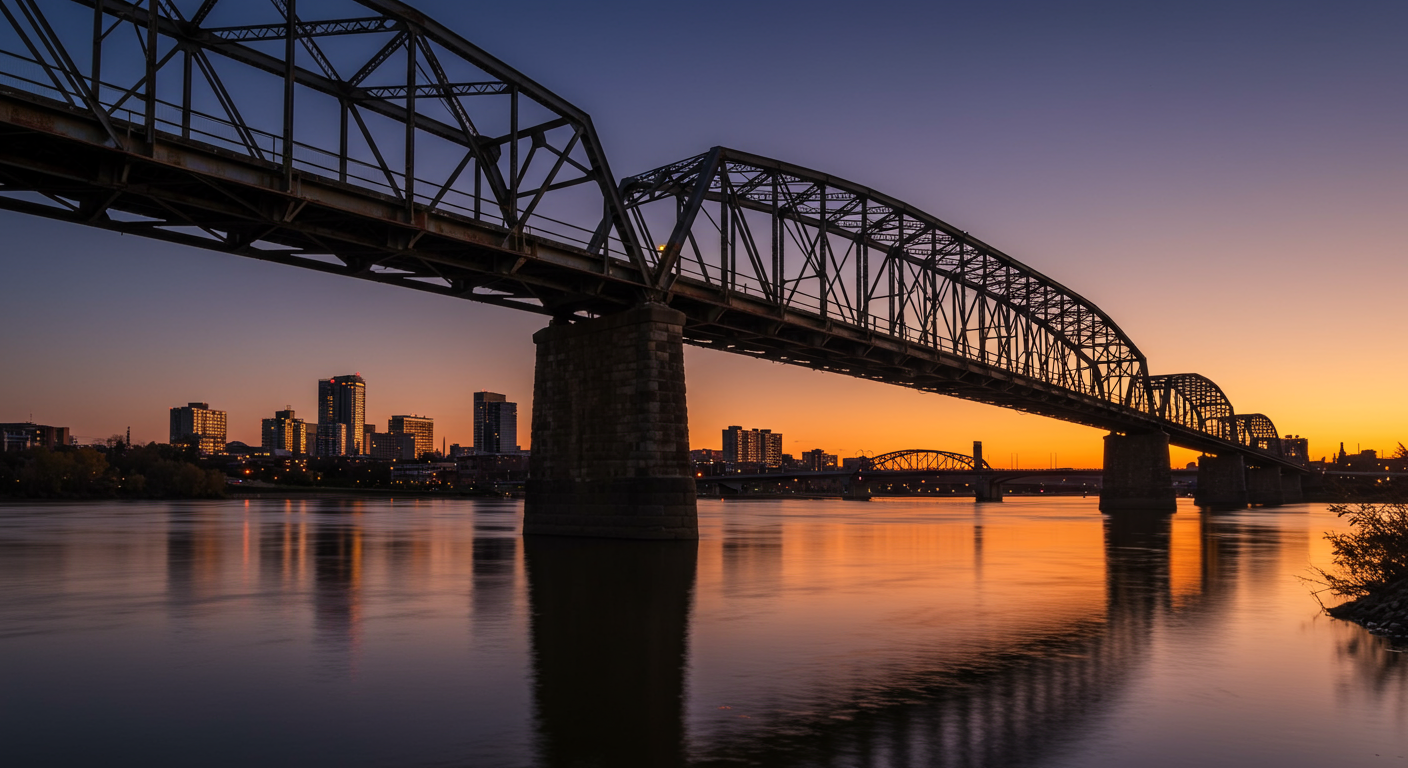
Anya Sharma, the Director of Public Works for the City of Riverbend, stared out her office window at the familiar silhouette of the Century Bridge. For fifty years, its steel arches had been a symbol of the city's resilience. Now, it was the source of her biggest headache. The bridge wasn't just a piece of infrastructure; it was part of the city's identity, carrying over 30,000 vehicles, cyclists, and pedestrians daily between the historic downtown and the growing eastern suburbs.
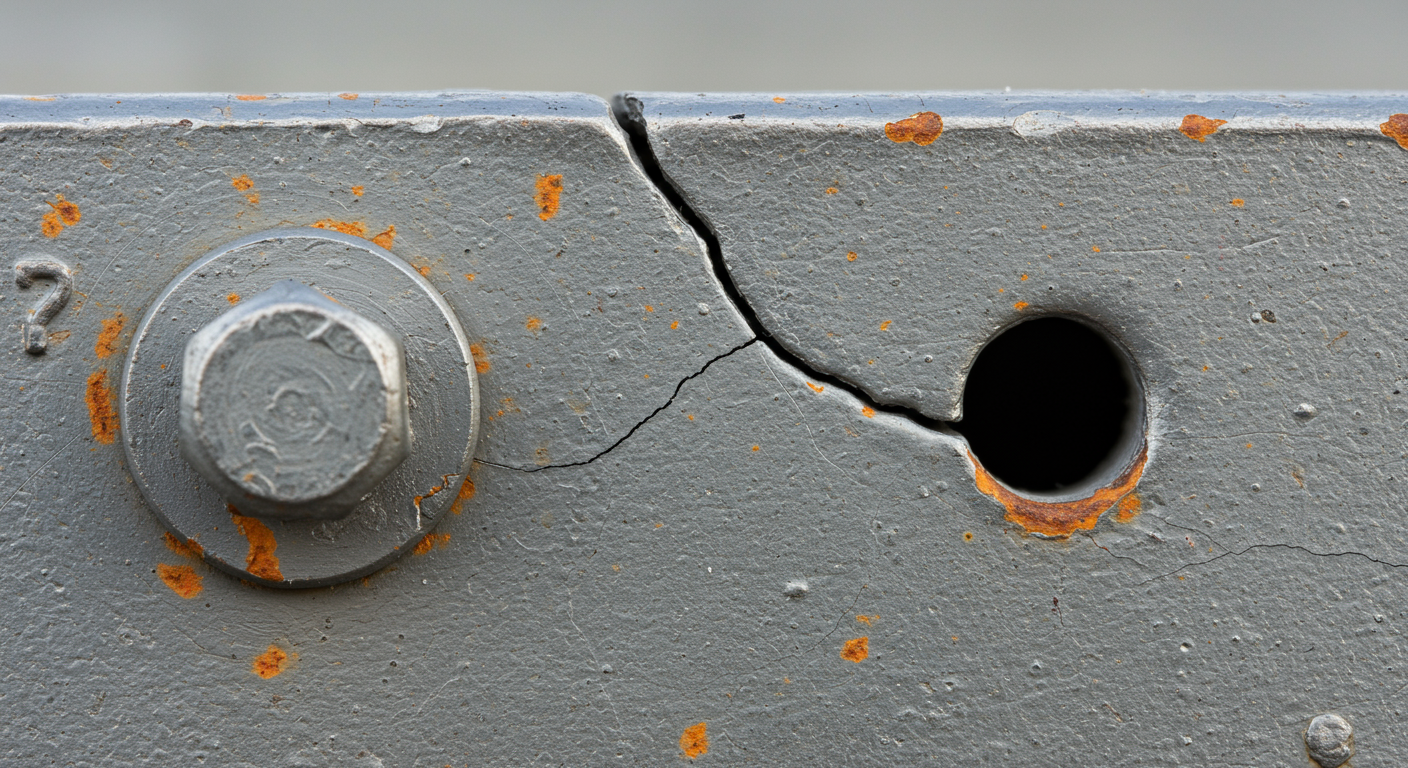
The problem began with a routine biennial inspection. This time, the report wasn't routine at all. The engineering firm, Patel & Singh, had flagged several "priority one" structural deficiencies. Words like "advanced section loss," "fatigue cracking," and "bearing seizure" jumped off the page. The report's conclusion was stark: without significant intervention, load restrictions would be necessary within 18 months, and a full closure could be on the horizon within five years.
Complicating matters was the city's tight budget. The City Manager, David Chen, had just sent a memo outlining a 5% budget cut for all departments to fund a new, high-profile technology park—a project the mayor was championing. David was a numbers guy, focused on ROI and new growth. He saw the Century Bridge as a money pit, not a landmark. He had already casually mentioned that a "patch and pray" approach might be best for now.
Anya felt the pressure from all sides. The public loved the bridge and would fight any suggestion of demolition. The finance department saw only a massive, unbudgeted expense. The engineering report on her desk was a ticking clock, detailing the physical decay of a critical asset. Doing too little could lead to catastrophic failure, but asking for the full replacement cost—an estimated $75 million—would be political suicide in the current climate. She had to present a clear, defensible plan to the City Council next week, a plan that balanced engineering reality, public sentiment, and fiscal constraints. What was the right move?
Resources and Data
You have access to the same documents and data that Anya is using to make her decision. Analyze them carefully to understand the full scope of the problem.
Key Document: Memo: FY Budget Priorities
Century Bridge - Critical Inspection Findings
| Component ID | Component Type | Condition Rating (1-9) | Defect Description | Estimated Repair Cost ($) | Risk Score (1-25) |
|---|---|---|---|---|---|
| TC-08-S | Truss Connection | 3 | Critical fatigue cracking observed at gusset plate connection on south truss, lower chord. | 1450000 | 24 |
| MG-03-W | Steel Girder | 4 | Severe section loss (>35%) on web and lower flange of primary floor beam due to advanced corrosion. | 1100000 | 22 |
| LC-12-E | Lower Chord Member | 4 | Significant pack rust between lacing bars and main member, causing distortion and section loss. | 850000 | 20 |
| EJ-02 | Deck Expansion Joint | 5 | Failed gland seal resulting in widespread leakage onto pier cap and bearings below. | 275000 | 16 |
| PC-02-W | Concrete Pier Cap | 5 | Spalling and delamination with exposed rebar directly under leaking expansion joint. | 320000 | 14 |
| BRG-02-W | Bearing Assembly | 5 | Rocker bearing is 'frozen' due to heavy corrosion and debris buildup, restricting thermal movement. | 210000 | 15 |
| DK-U-SPN3 | Concrete Deck (Underside) | 5 | Widespread efflorescence and light scaling across the underside of the deck in Span 3. | 125000 | 11 |
| ABT-E | Concrete Abutment | 6 | Minor vertical hairline cracking on east abutment backwall, non-structural. | 40000 | 5 |
| RL-N-SPN2 | Bridge Railing | 7 | Light surface corrosion and peeling paint on north side railing, Span 2. | 85000 | 7 |
| AP-W | Approach Slab | 6 | Minor settlement of west approach slab (~1 inch) creating a bump for traffic. | 45000 | 8 |
📊 View Diagram: Asset Risk Matrix
Your Task
You are Anya Sharma, the Director of Public Works. The City Manager has made his position clear, but the engineering data speaks for itself. Your task is to prepare a formal recommendation for the City Council. This recommendation should be presented as a brief (1-2 page) memo.
Your memo must analyze the situation using the provided resources and propose a clear, actionable, and defensible strategy for the Century Bridge. You must balance the technical risks, financial realities, and political pressures to find a responsible path forward. Simply accepting the City Manager's "patch and pray" approach or demanding a full, unfunded replacement are not viable options. You need to present a nuanced plan.
How to Structure Your Recommendation
A strong analysis moves from evidence to conclusion. Structure your response by following these four steps:
- Define the Problem: Clearly state the situation, the asset's importance, and the core conflict.
- Identify and Analyze Core Issues: Use the inspection data and risk matrix to pinpoint the most critical technical risks. Acknowledge the financial and political constraints.
- Evaluate Possible Solutions: Outline at least three distinct courses of action (e.g., minimal repairs, a phased capital project, full replacement). Analyze the pros, cons, and risks of each.
- Recommend and Justify: Choose the solution you believe is most responsible. Justify your choice using data, connecting it to long-term value, public safety, and fiscal prudence.
Guiding Questions
As you analyze the case, consider the following questions to shape your response.
- Based on the inspection data, which 2-3 bridge components pose the most immediate threat to public safety? What specific data points support this?
- How does the City Manager's memo conflict with the findings in the inspection summary? What are the potential consequences of following his suggested approach?
- Using the Risk Matrix, how would you classify the defects with the highest risk scores? What level of action does the matrix suggest for these items?
- What is the total cost of addressing only the items with a "Poor" condition rating (rating of 4 or less)? How does this compare to the cost of a full replacement?
- Beyond immediate repairs, what other asset management strategies could be part of a long-term solution (e.g., enhanced inspections, capital planning, public engagement)?
- What are the pros and cons of proposing a "phased repair" plan versus a "minimal compliance" plan?
- How can you frame your recommendation to the City Council to show that you are being fiscally responsible while also prioritizing public safety and the city's long-term interests?
- What is your final, justified recommendation? What is the first step you would take to implement it?
An Expert Response
Note on the Expert Response
This is a sample response from an experienced asset management professional. It demonstrates a strong, evidence-based approach to the problem. Your own response may have been different, but the goal is to justify your conclusions with the same level of analytical rigor. Use this to compare and refine your own thinking.
MEMORANDUM
TO: Riverbend City Council & City Manager FROM: Anya Sharma, Director of Public Works DATE: November 2, 2023 SUBJECT: Recommendation for Century Bridge Asset Management Plan
1. Problem Definition
The Century Bridge, a critical transportation artery and landmark, faces significant structural challenges that pose a growing risk to public safety and city operations. The recent biennial inspection report identified multiple high-risk deficiencies that require immediate attention. This situation creates a direct conflict between our duty to ensure public safety and the current fiscal constraints, including the prioritization of the new Technology Park. A failure to act decisively will likely result in emergency load restrictions or a full closure within five years, causing severe economic and social disruption.
2. Analysis of Core Issues
The inspection data reveals several components with "Poor" condition ratings and "Extreme" risk scores (20-25). Specifically, fatigue cracking in primary truss connections and severe corrosion on main support girders represent the most immediate threats. According to our standard risk matrix, these issues fall into the "Repair/Replace Immediately" category.
The City Manager's proposal to fund only minimal, short-term repairs addresses the immediate political and budgetary pressure but fails to mitigate these core risks. This "patch and pray" approach would leave the city liable for a potential failure and would likely lead to higher emergency repair costs in the near future. The total estimated cost for all identified repairs is approximately $4.5 million, while a full replacement is estimated at $75 million.
3. Evaluated Courses of Action
- Option A: Minimal Compliance (The "Do-Minimum" Plan): Address only the top 1-2 critical items at a cost of ~$1.5M.
- Pros: Lowest immediate cost; aligns with City Manager's request.
- Cons: Fails to address other high-risk items; significant remaining liability; bridge condition continues to degrade, leading to higher future costs.
- Option B: Phased Capital Rehabilitation (Recommended): Initiate a multi-year, prioritized rehabilitation project.
- Phase 1 (Year 1 - $4.5M): Address all "Poor" and "Fair" rated items identified in the report. This eliminates all immediate and high-risk threats.
- Phase 2 (Years 2-3): Conduct a detailed Capital Planning and engineering study to determine the 50-year plan for the bridge (major rehabilitation vs. full replacement).
- Pros: Immediately resolves all known high-risk issues; demonstrates fiscal prudence by breaking down costs; provides a data-driven path to a long-term solution.
- Cons: Requires a higher initial investment than Option A; requires commitment to future funding.
- Option C: Full Replacement: Immediately seek funding for a full $75M replacement.
- Pros: Permanently solves the problem; provides a modern asset with a 75-100 year lifespan.
- Cons: Not currently financially or politically feasible; would require shelving all other capital projects.
4. Recommendation and Justification
I strongly recommend the city adopt Option B: Phased Capital Rehabilitation.
This plan is the most responsible course of action. It allows us to immediately eliminate all identified safety-critical risks for a manageable cost of $4.5 million. This is not just a patch; it is a strategic investment that buys us the time to make the right long-term decision. By commissioning a formal capital planning study in Phase 2, we ensure our ultimate decision on a full replacement is based on comprehensive data, not emergency conditions. This approach respects the city's budget priorities while upholding our fundamental responsibility to maintain our infrastructure and ensure the safety of the public.
Assess Yourself
Evaluate Your Analysis
Great work developing your recommendation. Now, take a moment to reflect. Review your own (unwritten) response against the criteria below. This isn't about being 'right,' but about strengthening your analytical and communication skills. How could you make your argument even more compelling?
- Problem Identification: Did you clearly and concisely define the central conflict between the bridge's condition, its importance, and the city's financial constraints?
- Data-Driven Analysis: Did you specifically reference the inspection data (e.g., condition ratings, risk scores) to identify the most critical issues, rather than speaking in generalities?
- Risk Assessment: Did you effectively use the concept of risk (likelihood vs. consequence) to explain why certain repairs were more urgent than others?
- Evaluation of Options: Did you present and analyze multiple courses of action, including a clear-eyed assessment of their respective pros, cons, and costs?
- Justification of Recommendation: Was your final recommendation decisive and well-supported? Did you build a logical bridge from the evidence to your proposed solution?
- Stakeholder Awareness: Did your response show an awareness of the different stakeholder perspectives (City Manager, Council, public) and attempt to address their concerns?
Learning Progress
By working through this case, you have practiced the essential skills of an asset manager. You have evaluated the condition of a critical infrastructure asset using inspection data and have developed a prioritized renewal plan that balances asset condition, risk, and significant budget constraints.
Next Steps
You have successfully completed this practice activity. Your analysis demonstrates the complex, real-world decision-making required in physical and infrastructure asset management. Please navigate back to the course to continue your learning.
