
The Case
Anya Sharma barely had time to find the good coffee machine before the summons arrived. As the new Head of Asset Management for Oceanic Digital Solutions, she knew the job came with pressure, but an urgent meeting with the CEO on day three was a new record. The subject: Triton-1, the company’s flagship data center and primary revenue engine.
Triton-1 is an engineering marvel, a Tier IV facility perched on the coast, offering clients unparalleled connectivity. It's also, as Anya was quickly learning, a massive liability. Last month, Tropical Storm "Adrian" veered away at the last minute, but the near-miss rattled everyone. It served as a brutal reminder that the facility’s five-year-old risk assessment was dangerously out of date, written before climate models started predicting more frequent and intense storm systems for the region.
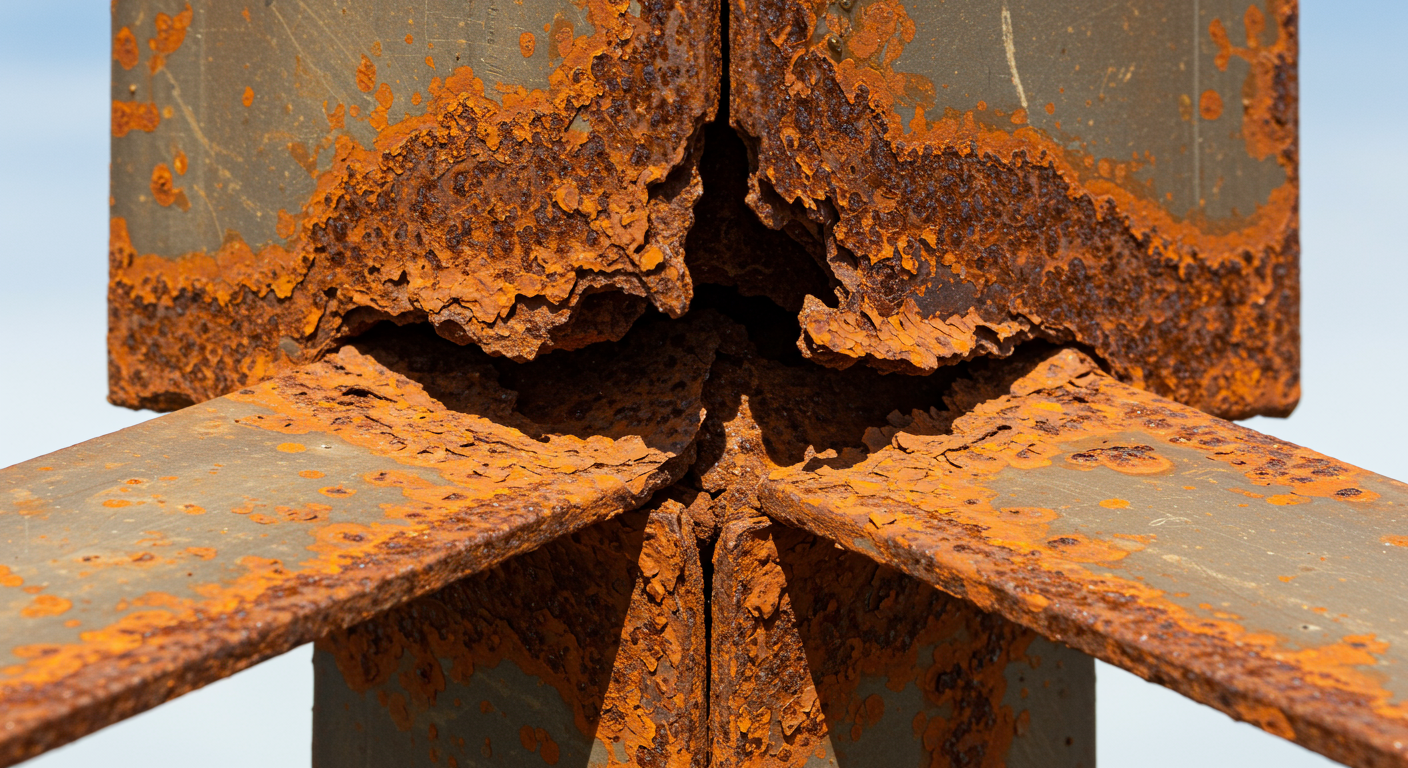
The CEO, David Chen, didn't mince words. "The board is nervous, Anya. Adrian was a wake-up call. Our current plan is a paper tiger. We sell our clients on 99.999% uptime, but we're one bad storm surge away from being a submarine. The photos of the corroded supports on the generator platform that the maintenance team sent over certainly didn't help."
He slid a tablet across the table, showing a preliminary report on rising sea levels and increased storm intensity. "This isn't about if anymore, it's about when and how bad. We have a board meeting in two weeks. They don't want excuses or long-term studies. They want a plan."
Anya's mandate is clear but daunting. She must devise a comprehensive risk mitigation plan that addresses the immediate, tangible threats to Triton-1's physical infrastructure. She has to analyze the facility's vulnerabilities, from the server racks to the sea wall, and propose concrete, defensible actions. How can she protect Oceanic's most critical asset from a worst-case scenario while balancing a finite budget and the unyielding demand for constant operational uptime?
Resources and Data
Anya's first move is to gather all available intelligence on the facility's current state. The following documents and data provide a snapshot of the situation at Triton-1.
Key Document: Email from the CEO
Triton-1 Asset Vulnerability Matrix
| Asset ID | Asset Type | Location | Flood Vulnerability (1-5) | Wind Vulnerability (1-5) | Notes |
|---|---|---|---|---|---|
| TR1-MPF-001 | Main Power Feed | Basement | 5 | 1 | Critical utility ingress point. Located below sea level with no current flood mitigation. |
| TR1-HVC-001 | HVAC Chillers | Basement | 5 | 1 | Main cooling system for Data Halls A & B. Prone to complete failure in a flood event. |
| TR1-GEN-001 | Backup Generators | External Platform | 2 | 4 | Visible corrosion on support structure. Exposed to salt spray and high winds. |
| TR1-FTK-001 | Fuel Tanks | External Platform | 3 | 3 | Supplies fuel for backup generators. Anchor bolts show signs of rust. |
| TR1-ANT-001 | Communications Antenna | Roof | 1 | 5 | Primary satellite link. Mountings have not been inspected since installation. |
| TR1-SVR-A01 | Server Racks | Data Hall A (1st Floor) | 2 | 1 | Located on raised flooring, but floor is not sealed from basement below. |
| TR1-UPS-001 | UPS Battery Banks | Basement | 5 | 1 | Battery room is adjacent to main power feed. No dedicated sump pump installed. |
| TR1-HVC-002 | HVAC Rooftop Units | Roof | 1 | 4 | Secondary cooling system. Panels and shrouds show damage from previous storm. |
| TR1-SVR-B01 | Server Racks | Data Hall B (2nd Floor) | 1 | 1 | Considered the most secure asset location in the facility. |
| TR1-FBR-001 | Fiber Optic Entry | Basement | 4 | 1 | Main network ingress point. Conduit is not water-tight. |
📊 View Diagram: Triton-1 Facility Site Layout
Single Point of Failure (SPOF)
Your Task
You are Anya Sharma, the new Head of Asset Management. The CEO has tasked you with creating a risk mitigation plan to present to the board in two weeks. Using the narrative and the resources provided, develop a plan that identifies the most critical physical risks to the Triton-1 data center and proposes a set of specific, actionable mitigation strategies.
Your response should be structured as a professional recommendation to the CEO, suitable for him to present to the board. It must clearly outline the risks, your proposed solutions, and a rationale for why these actions are necessary.
How to Structure Your Response
A strong analysis follows a clear path from problem to solution. Use this four-step framework to build your recommendation:
- Define the Problem: Start by clearly stating the primary threat and the overall business risk.
- Identify Core Issues: Use the provided data and documents to pinpoint the specific vulnerabilities and potential points of failure.
- Propose Solutions: For each core issue, recommend a specific, actionable mitigation strategy. Group these into logical phases (e.g., immediate, short-term).
- Recommend and Justify: Conclude with a summary of your recommended course of action and a brief justification based on protecting revenue and assets.
Guiding Questions
Use these questions to focus your analysis of the situation and build your response.
- Based on the CEO's email and the site layout diagram, what are the most significant environmental threats to Triton-1?
- Looking at the Asset Vulnerability Matrix, which two assets have the highest combined risk scores? Where are they located?
- What does the location of the "Main Power Feed" and "HVAC Chillers" suggest about a potential Single Point of Failure (SPOF) for the entire facility?
- How does the instructional image of the corroded pylon affect your assessment of the "Backup Generators" as a reliable redundant system?
- Considering the vulnerabilities, what are three specific, immediate actions you could take within the next 30 days to reduce risk?
- What is a more complex, short-term (3-6 month) mitigation you would propose to address a systemic issue like the sea wall or equipment location?
- How would you justify the unbudgeted expense of these mitigation efforts to a skeptical board member? What is the cost of inaction?
- What is your final, prioritized recommendation for protecting Triton-1?
An Expert Response
Note on the Expert Response
This is a sample expert response that demonstrates a strong analysis of the case. Your own response may have different but equally valid recommendations, provided they are well-supported by the evidence. The goal is to apply a structured thought process, not to find a single 'correct' answer.
TO: David Chen, CEO FROM: Anya Sharma, Head of Asset Management SUBJECT: Recommended Risk Mitigation Plan for Triton-1
David,
Following our discussion, I have completed a preliminary analysis of the physical risks to the Triton-1 data center. The situation is critical, with several single points of failure that pose an unacceptable risk to our operations and revenue. The primary threats are flooding from storm surge and subsequent failure of critical power and cooling infrastructure.
Based on the facility layout and asset vulnerability data, I have developed a phased mitigation plan to present to the board. This plan focuses on immediate triage of the most severe risks, followed by short-term hardening of the facility.
Phase 1: Immediate Mitigation (0-3 Months)
These actions address the most critical vulnerabilities and can be initiated immediately.
- Relocate Critical Infrastructure: The Main Power Feed and HVAC Chillers are located in the basement, representing a catastrophic single point of failure in a flood. We must immediately begin the project to relocate this equipment to the second floor. This is our top priority.
- Secure Backup Power: The external generator platform's supports are compromised. We will contract an emergency structural engineering firm to assess and temporarily reinforce the pylons within 30 days, while simultaneously scoping the full replacement. We will also secure a secondary fuel delivery contract with a different supplier.
Phase 2: Short-Term Hardening (3-9 Months)
These projects will systematically reduce the facility's overall risk profile.
- Full Generator Platform Replacement: Based on the engineering assessment, we will execute a full replacement of the corroded generator platform to ensure the long-term viability of our backup power.
- Site Fortification: We will commission a project to increase the height and structural integrity of the sea wall. Concurrently, we will upgrade all ground-floor windows and doors to the highest-rated hurricane-proof standards.
Justification:
While these actions require significant, unbudgeted capital expenditure, the cost of inaction is far greater. A single day of downtime at Triton-1 is estimated to cost millions in direct revenue and SLA penalties, not to mention the irreparable damage to our brand reputation. This plan directly addresses the vulnerabilities that could lead to such an outage, transforming our risk posture from reactive to proactive and ensuring we can stand by our promise of 99.999% uptime.
Assess Yourself
Evaluate Your Work
Review your own response to the task. Use the following criteria to assess the strengths of your analysis and identify areas for improvement. Consider how you could make your arguments more compelling and your recommendations more specific.
- Problem Identification: You clearly and concisely defined the primary risks to the facility, focusing on the business impact of potential infrastructure failure.
- Analysis of Evidence: You effectively used the data from the vulnerability matrix, site diagram, and CEO's email to identify specific points of failure.
- Solution Specificity: Your proposed solutions were concrete and actionable, not vague suggestions (e.g., "Relocate HVAC chillers to the second floor" vs. "Improve the HVAC system").
- Prioritization and Phasing: You logically sequenced your recommendations into a realistic timeline, addressing the most critical dangers first.
- Business Justification: You successfully linked your proposed expenditures to the financial and reputational risk of inaction, framing it as a necessary investment.
- Professional Tone: Your response was structured and written in a professional tone, suitable for presentation to senior leadership.
Learning Progress
By analyzing the complex challenges facing the Triton-1 data center and formulating a response, you have just practiced how to develop a risk mitigation plan. This involved assessing vulnerabilities in critical infrastructure and creating a prioritized, actionable strategy to protect valuable assets.
Next Steps
You have successfully completed this case study. You've demonstrated your ability to analyze a complex scenario and propose a professional solution. Please navigate back to the course to continue your learning.
