
Welcome to Asset Lifecycle Delivery
Welcome to the first module of your course on Asset Lifecycle Delivery. In any organization that relies on physical infrastructure—whether it's a city managing its water system, a utility company providing power, or a transportation agency maintaining bridges—the long-term success of the enterprise depends on how it manages its physical assets.
For years, many organizations operated in a reactive mode, essentially waiting for things to break before fixing them. This approach is not only costly and inefficient, but it also introduces significant unpredictability. Modern Physical and Infrastructure Asset Management is about shifting from that reactive stance to a proactive, strategic one. This module introduces the foundational framework for that shift: the asset lifecycle.
What is an Asset?
Before we can manage an asset's lifecycle, we need a clear and shared understanding of what an Asset is. In our field, this term refers to the physical components that enable an organization to deliver its services.
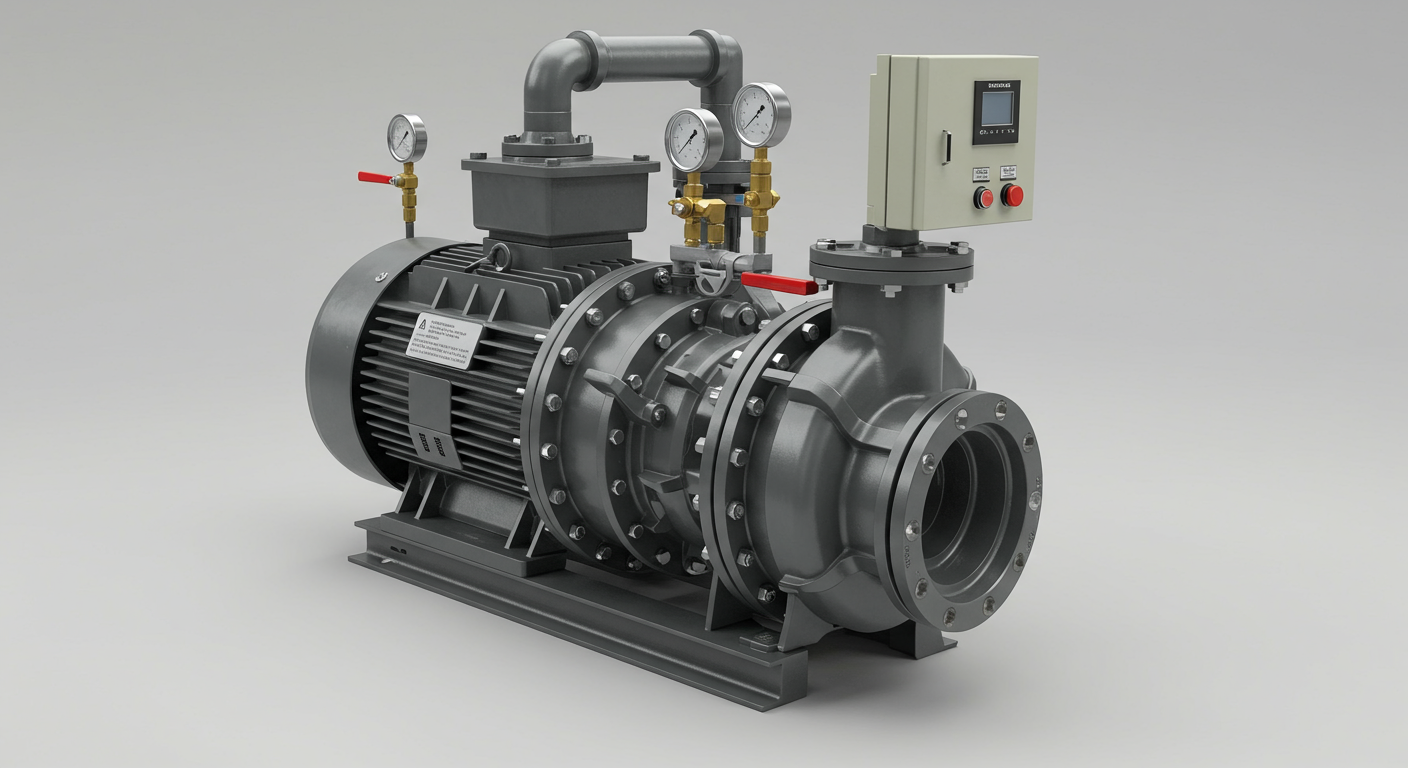
Thinking of infrastructure as a collection of assets allows us to apply a structured, data-driven approach to its management. This brings us to the core concept of this module.
The Asset Lifecycle: A Cradle-to-Grave Approach
Every physical asset, from a simple pipeline to a complex power plant, goes through a series of stages from its conception to its eventual retirement. This entire journey is known as the Asset Lifecycle. Understanding this lifecycle is the first step toward managing assets effectively. By considering the entire lifespan, we can make smarter decisions that optimize performance and minimize total cost of ownership.
The lifecycle can be visualized as a continuous process.
📊 View Diagram: The Asset Lifecycle Stages
This diagram is a roadmap for the entire course. Take a moment to trace the path from one stage to the next. Notice how it's a cycle, not a straight line. The decisions you make at the end of one asset's life directly inform the planning for the next.
To truly grasp how these stages work in practice, you will now explore them in more detail.
It's time for your first deep dive. The following reading will walk you through the activities and decisions that happen at each stage of the lifecycle. As you read, think about how an asset manager's focus shifts from stage to stage.
Reading: The Asset Lifecycle Model in Practice
Launch the reading to explore a key course topic.
Bringing Structure to the Lifecycle: The Role of Standards
Managing the lifecycle of thousands of assets across a large organization requires more than just a conceptual model; it requires a system. This is where international standards provide immense value. They create a common language and a verifiable framework for excellence.
The most important standard in our field is ISO 55000. This family of standards outlines the requirements for an integrated and effective Asset Management System (AMS).
Why ISO 55000 Matters
Adopting an ISO 55000 framework isn't just about compliance; it's a strategic business decision. It signals to stakeholders, regulators, and customers that the organization is committed to efficient, responsible, and transparent management of its assets. It helps align asset management activities with the organization's overall strategic goals.
An effective AMS ensures that decisions are not made in a vacuum. It forces an organization to consider the trade-offs between cost, Risk, and performance, often defined by a target Service Level. It also requires clear communication with every Stakeholder.
The next reading connects the lifecycle model you just studied with the systematic approach defined by ISO 55000.
Reading: Integrating ISO 55000 with Your Asset Management Strategy
Launch the reading to explore a key course topic.
Applying Your Knowledge
You've now been introduced to the core concepts of asset lifecycle delivery. It's time to see how they apply in a realistic scenario.
This is your first instructional case study. The goal here is not to find the one 'right' answer, but to practice thinking like an asset manager. Use the concepts from the readings and the lifecycle diagram to structure your response. This is a safe place to apply your new knowledge before you're assessed on it.
Case Study: First Steps in Asset Lifecycle Management: A Municipal Roads Case Study
Launch the interactive case study to analyze a real-world scenario.
Assess Yourself
Let's check your understanding of the key terms and concepts from this module. This quiz is just for you—it's a chance to see which areas are solid and which might need a quick review. Your score won't be graded.
❓ Knowledge Check
Test your understanding of the key concepts from this section.
Wrapping Up
Excellent work completing your first module! You've built a solid foundation for the rest of this course. You can now explain the asset lifecycle delivery model, which is the central framework for modern asset management. You're also able to identify the key stages of an asset's life—from planning all the way to disposal—and describe the critical activities that happen in each. This "cradle-to-grave" perspective is what separates a strategic asset manager from a reactive one. Keep these core ideas in mind as we move forward.
Next Steps
You have successfully completed the learning activities for this module. Please navigate back to the main course page to review the module assessments and continue your journey through Asset Lifecycle Delivery.
